
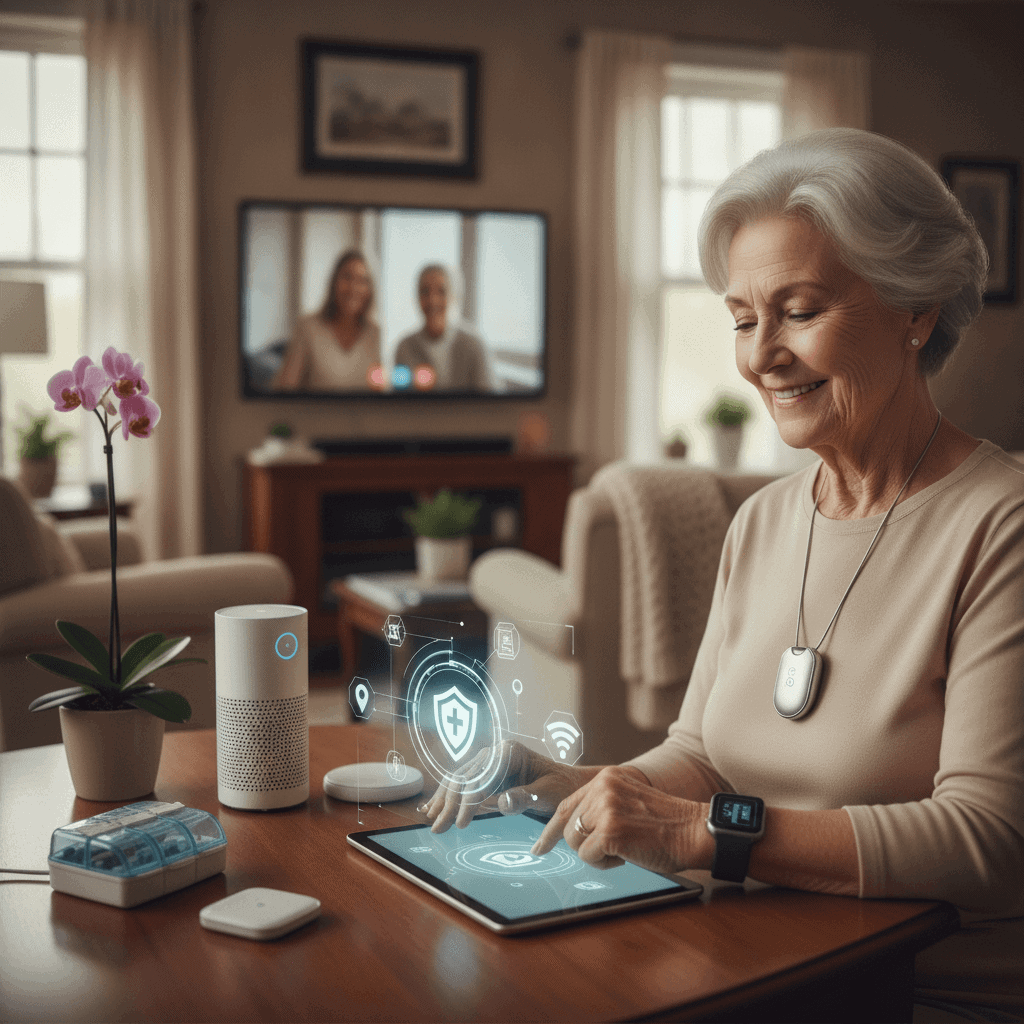
Your Guide to Essential Senior Safety Technologies
As we get older keeping our independence becomes a top priority. We want to feel safe in our own homes and know that help is there if we need it. This feeling of security is precious for seniors and their families.
I have seen firsthand how much comfort technology can bring to daily life. It is not about replacing human connection. Instead it is about adding layers of support that empower seniors to live fully. Modern innovations can extend a senior’s ability to stay at home for longer and with greater confidence.
Today I want to talk about how modern inventions offer practical solutions. We can use these tools to make living safer for older adults. These technologies help with falls health monitoring and staying connected.
Understanding the Need for Senior Safety Technologies
Life changes as we age and with it come new considerations for safety. Simple tasks can sometimes become challenging. Things like navigating stairs or remembering daily medications might pose a risk. My experience shows that falls are a leading concern but there are many other silent dangers too.
Isolation can affect mental and physical health. Health conditions might suddenly worsen. It is crucial to have systems in place that address these potential problems quickly. Technology provides ways to monitor situations and alert caregivers or emergency services when an issue arises. This helps prevent minor incidents from becoming major emergencies.
For example someone living alone might trip. If they cannot get up a basic fall detection system can summon help. This immediate response makes all the difference in recovery and avoiding further complications. We believe in being proactive to protect our loved ones.
Personal Emergency Response Systems (PERS) and Medical Alerts
A great way to boost safety is through personal emergency response systems. These devices provide a direct line to help when it is most needed. They are especially helpful for those living alone or who have conditions that increase their risk of falls. Imagine having a button to press that connects you to trained professionals any time of day or night.
This system offers peace of mind to everyone involved. We find that many families feel less worried once these systems are installed. Understanding the full scope of these tools can really make a difference. For a deeper look into the various options available you can explore more about senior safety technologies. This resource gives great insights on what works best.
Different Types of Medical Alert Devices
Medical alert systems come in several forms. Some are simple pendants worn around the neck. Other devices look like watches or wristbands. The best choice depends on a senior’s lifestyle and specific needs. Some units only work at home.
Many newer models also work when you are out and about. They use GPS to track your location. This feature is really helpful for active seniors who enjoy walks or errands. Cellular connectivity in these portable devices ensures help is available everywhere.
We often recommend systems with automatic fall detection. These sensors can tell when a person has fallen and automatically call for help. This is vital if someone is unable to press their button after a fall. It adds a layer of protection that truly saves lives.
Benefits of Quick Response Times
Every second counts in an emergency. Medical alert systems connect quickly to monitoring centers. These centers then dispatch emergency services or contact family members. This fast response can greatly reduce recovery time after an accident. It also minimizes potential long-term injuries.
I recall a story of a senior who fell and broke her hip. Her medical alert system instantly called for help. She received care within minutes and made a full recovery. Without that quick connection her outcome might have been very different. These systems are invaluable for such situations.
Smart Home Integration for Enhanced Safety
Smart home technology is no longer just for convenience. It now offers amazing benefits for senior safety. Picture lights that turn on when you enter a room. Or imagine doors that lock themselves at night. These small changes can prevent accidents and deter intruders.
We see smart home devices as silent guardians. They work in the background to create a safer living space. Connecting them with voice assistants makes them easy to use. Seniors can control their environment with simple commands.
This technology gives older adults more control over their daily lives. It also reduces the need for constant hands-on assistance. This boosts their independence. It is a win-win for everyone.
Motion Sensors and Smart Cameras
Motion sensors can illuminate dark hallways at night preventing trips and falls. They can also alert family members if there is unusual movement inside the home. This provides a layer of passive monitoring without being intrusive. We use these to track activity patterns too.
Smart cameras offer visual security. They can be placed at entry points or in common areas. Family can check in remotely. They can see if a loved one is safe or if a delivery has arrived. These cameras often have two-way audio too. This lets you communicate with visitors or family members from anywhere.
Voice-Activated Assistants
Devices like Amazon Echo or Google Home can be incredibly useful. Seniors can ask for the weather set medication reminders or even make hands-free calls. If a senior falls and cannot reach a phone they can simply call out for help. The assistant can then dial a pre-programmed emergency contact.
Voice control simplifies many daily tasks. It removes the need for small buttons or complex interfaces. This makes technology more accessible to everyone. We believe these devices empower seniors to manage their home life more easily and safely.
Fall Detection and Prevention Solutions
Falls are a serious concern for many seniors. Even a minor fall can lead to significant injury or loss of confidence. Fortunately technology has made great strides in both detecting falls and helping prevent them. These innovations give me hope for safer independent living.
Advanced fall detection wearables are becoming common. These devices use accelerometers and gyroscopes to sense sudden movements that indicate a fall. When a fall is detected they automatically send an alert to a monitoring center or designated contacts. This removes the need for the senior to manually press a button which can be impossible after a serious fall.
Beyond detection there are also prevention strategies involving technology. Smart flooring systems can sense pressure changes. They identify unstable walking patterns before a fall even happens. This allows for early intervention and adjustments to the living environment.
Wearable Sensors for Daily Monitoring
Modern wearables go beyond simple fall alerts. Many smartwatches and specialized pendants track activity levels heart rate and sleep patterns. These devices gather important data that can signal changes in a senior’s health. For instance a sudden decrease in activity might suggest a problem. An increase in nighttime wandering could also indicate an issue.
This information is usually available to authorized family members or caregivers through an app. It helps everyone stay informed about the senior’s well-being. It can also help identify trends that require attention from a medical professional. This kind of proactive monitoring is invaluable.
Some devices also feature geofencing. This means they can send an alert if a senior wanders outside a predetermined safe zone. This is especially helpful for those with cognitive impairments. It provides peace of mind for their caregivers. We often recommend exploring these features.
Medication Management and Health Monitoring Devices
Managing medications can be tricky for anyone. For seniors with multiple prescriptions it can be overwhelming. Missing a dose or taking too much can have serious health consequences. Technology offers simple and effective solutions for this common challenge. I see these tools as crucial for maintaining health.
Smart pill dispensers are one such tool. These devices organize medications by dose and time. They dispense pills automatically at scheduled times and can send reminders through lights sounds or even text messages to a caregiver. This ensures that medications are taken correctly and on time.
Wearable health trackers have also become very popular. These gadgets monitor vital signs such as heart rate blood pressure and oxygen levels. Some even track glucose levels for those with diabetes. This data is usually sent to a smartphone app where it can be reviewed by the senior or their family. This allows for early detection of potential health issues.
Regular monitoring helps healthcare providers make more informed decisions. It also empowers seniors to play an active role in their own health management. We find that many seniors enjoy seeing their health data. It gives them a sense of control and understanding.
Addressing Social Connection and Cognitive Support with Technology
Staying connected and keeping our minds active is vital at any age. For seniors technology provides wonderful avenues for both. Loneliness can be a serious health risk so fostering communication is very important. I believe in tools that help people thrive.
Video calling devices and simple smart displays allow seniors to easily connect with family and friends. A large screen and easy-to-use interface make virtual visits a joy. These connections bridge distances and keep spirits high. They ensure that seniors feel loved and included.
Beyond communication there are also tools designed for cognitive stimulation. Tablet apps offer brain games puzzles and memory exercises. Digital photo frames can cycle through cherished memories bringing comfort and joy. Some specialized devices even provide personalized cognitive support programs.
These technologies help maintain mental sharpness. They offer engaging activities that prevent boredom and promote emotional well-being. We understand that mental health is just as important as physical health. Technology can be a powerful ally in this area.
Ensuring a Safer Future with Senior Safety Technologies
Looking at all the innovations available today I feel confident about the future of senior care. From immediate emergency response systems to smart home devices and health monitors technology is truly making a difference. These tools empower seniors to live more independently. They provide a vital safety net for families.
We are not just talking about gadgets. We are talking about peace of mind. We are discussing freedom and dignity for our elders. My personal view is that every senior deserves the opportunity to age safely in their preferred environment. Technology makes this goal much more attainable.
I encourage everyone to explore these options carefully. Consider the unique needs of your loved ones or yourself. Research different products and read reviews. Many resources exist to help you make informed decisions. Start with a technology that addresses the most pressing concern. Then you can gradually add more solutions as needed. Our collective goal should be to create a world where seniors feel secure supported and cherished. Embracing these essential safety technologies is a big step in that direction.