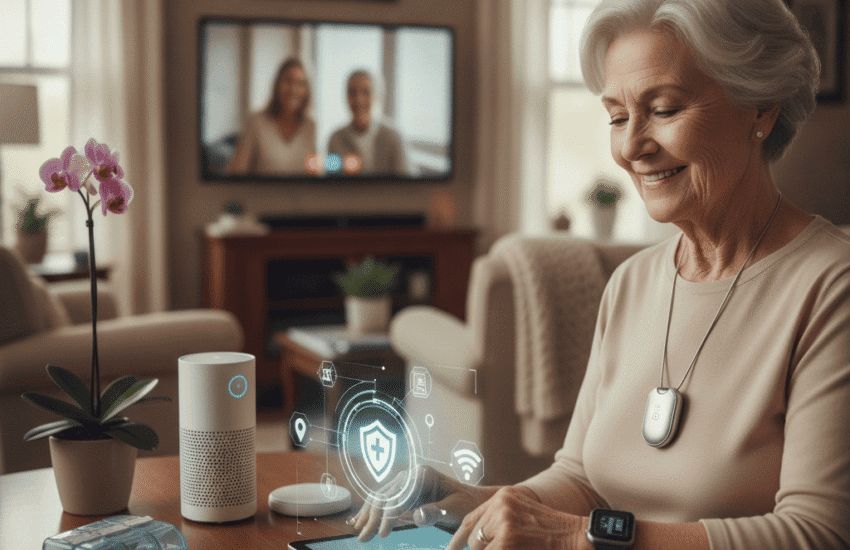

Medical Alerts Without Monthly Fees Options for Seniors
Many seniors need a reliable way to call for help after a fall or sudden illness yet cannot afford ongoing monthly service charges. Medical Alerts Without Monthly Fees Options for Seniors is a practical search goal for family members and caregivers who want safe choices without recurring billing. This article walks through real alternatives, trade offs, and steps to pick a system that fits health needs and a tight budget.
The good news is that there are legitimate choices that do not require a subscription. Some devices work as simple wearable alarms that connect to a phone app. Other approaches use local community resources or equipment already on hand. Below I outline types of fee free alarms, important features to compare, funding avenues, and a straightforward checklist to make a confident decision.
Types of medical alerts with no monthly fees Options available now
Understanding how each option works helps match a device to daily routines and risk level. Here are common types you will find.
- Wearable one button pendants and bracelets that trigger a call or text through a paired cell phone
- Standalone fall detecting devices that use local Bluetooth to alert nearby caregivers without cloud services
- Phone based emergency apps that use existing smartphone features and contacts instead of a paid monitoring center
- Landline based emergency buttons with direct call features that do not route through subscription services
- Community or non profit programs that loan equipment or provide monitored service at reduced or no cost
Pros and cons of zero monthly fee medical alert options for seniors
No subscription models have clear advantages but also limits. Weigh both sides before making a choice.
- Pros Free ongoing cost and lower long term expense. Simpler ownership with fewer contracts. Control over which contacts receive alerts.
- Cons Often rely on a caregiver to respond rather than a professional monitoring team. Reduced coverage if a smartphone battery dies. Fewer layers of redundancy for situations where the wearer cannot speak.
How to evaluate safety features in devices without monthly fees
Even without a subscription it is vital to confirm that a product will work when required. Focus on these attributes when testing or comparing solutions.
- Battery life and low battery alerts
- Range between wearable and paired phone or hub
- Automatic fall detection when available and limitations on false alerts
- Direct call routing to chosen contacts and the speed of that connection
- Water resistance and durability for typical daily use
Test drive and real world checks
Ask to try a device for several days. Simulate a mild fall and a button press so you can see response time and hear audio quality. Test at different locations around the house and at the outer limits of the device range. If a phone pairing is used check how background apps or power saving modes affect the link.
Backup plans when a device has limits
Plan secondary steps such as an agreed call schedule with a neighbor, keeping a charged spare phone by the bed, and putting emergency numbers on a fridge magnet. These simple measures fill gaps when a no fee alarm cannot reach a monitoring center.
Low cost hardware and DIY setups for seniors who want no monthly bills
For shoppers willing to do a little setup there are sensible low cost hardware choices and do it yourself arrangements that work well.
- Bluetooth panic buttons under 50 dollars that trigger a smartphone alarm
- Wearable personal alarms with loud sirens that attract nearby help
- Smartwatches with built in emergency contact features that use the phone plan instead of extra monitoring
- Basic cellular pendants that make direct call outs to preset numbers using a prepaid SIM
Choose devices with clear instruction manuals and responsive customer support. A cheap product with poor documentation can be worse than a slightly pricier item that is easy to configure.
Financial help and community resources to reduce or eliminate costs
There are programs and local services that expand choices for people on limited incomes. Call local aging services and health clinics to ask about device loans and grants. Veterans benefits, local charities, and faith based organizations sometimes provide equipment or payment help for safety devices. For more background on specific program types and models that avoid ongoing fees review this resource on medical alert options.
Where to contact and what to ask
When contacting programs ask whether devices are donated or loaned, the length of loan periods, who pays for replacements, and whether volunteers will respond to an alert. These details influence whether a zero monthly fee arrangement will meet long term needs.
Real life examples and practical tips for families and caregivers
Here are short scenarios with applied tips that reflect common household setups.
- Mrs Reid lives alone and has a smartphone. She pairs a small Bluetooth pendant that calls her daughter when pressed. They agreed a check in text each evening to make sure the phone is charged. Tip use a binder clip to keep a spare charger near the bedside.
- Mr Sanchez lives with his partner who works part time. He purchased a loud wearable alarm that emits a local siren and also uses a basic cellular pendant with a prepaid SIM that calls a neighbor if he presses the button more than once. Tip program two phone numbers so there is redundancy.
- Mrs Patel is on a fixed income. Her town loaned her a monitored unit through a senior services program. The unit had no monthly fee for the first year and a sliding scale afterward. Tip check if periodic maintenance or battery replacements are covered.
For each scenario create an action plan that lists who will respond, expected arrival times, and what to do if a phone is unreachable. Print the plan and tape it near the main phone or refrigerator.
Checklist to choose the right no monthly fee medical alert for a senior
Use this short checklist when evaluating products or programs. It makes comparison shopping faster and reduces the chance of missing a critical detail.
- Does the device alert a person or a monitoring service
- How are calls routed and who receives them
- Battery life and how the user is notified of low power
- Range of the device and where it will be used outside the home
- Durability and water resistance needed for daily routines
- Cost of hardware upfront versus possible future repair or replacement fees
- Local support options such as a program or neighbor network
Mark your top three choices and then test the highest ranked option for several days. During the trial period document any failures and confirm that the response plan works in practice.
Common pitfalls and how to avoid them
Seniors and families often make predictable mistakes when choosing a no fee system. Being aware of these pitfalls saves time and reduces risk.
- Overlooking battery replacement costs and forgetting to test batteries regularly
- Assuming a device works at all distances without verifying range in the specific home layout
- Relying on a single neighbor who may be unavailable when a real emergency happens
- Not rehearsing the response plan so people do not know what to do when an alert occurs
To avoid these errors create a weekly check routine and involve two or three different responders in the plan. Redundancy does not need to be complicated but it must be practical.
Choosing Medical Alerts Without Monthly Fees Options for Seniors requires balancing cost and coverage. No monthly fee solutions can be reliable when combined with a clear response plan and routine testing. If a wearer lives alone or has a high risk of needing emergency medical attention start with a short trial and a fallback plan that includes neighbors and family.
Begin with the checklist above and contact local aging services to ask about equipment loans. If you choose a device that pairs with a smartphone verify the phone settings and practice pressing the button until the senior is comfortable. For households that prefer a monitoring team evaluate whether a subsidized program or reduced fee plan is available through local government or non profit sources.
Taking action now reduces the chance of a delayed response later. Review options, test one device for at least a week, and put a simple written response plan where it can be found easily. If you are unsure which product to try first reach out to a local senior center for a demonstration or to ask about loaner programs. Choosing the right device with a practical plan gives seniors and family members a clearer path to safety without a monthly burden. Make the first call, arrange a trial, and put the plan in place this week.